Gas Line Capping in West Palm Beach, FL
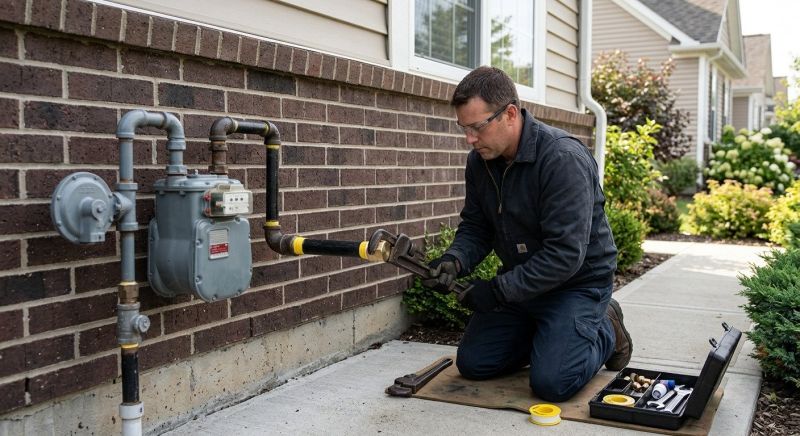
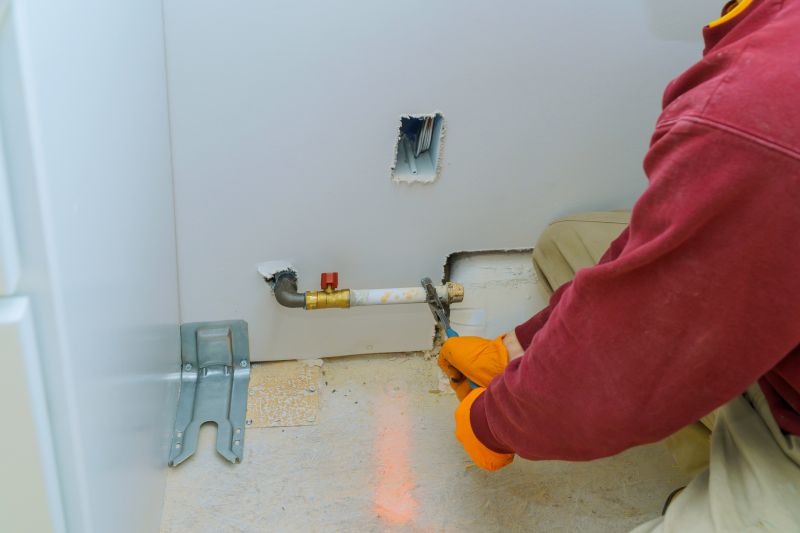
Gas line capping services involve safely sealing off existing natural gas or propane lines, typically when a property no longer requires the service, during renovations, or before new installations. This process ensures the gas supply is securely shut off to prevent leaks or hazards, making it a common step in remodeling projects, property decommissioning, or when removing outdated appliances. Property owners should understand whether the gas line is still in use, the location of the line, and if any permits or inspections are necessary before proceeding with the capping process.
Homeowners and property owners often request gas line capping to eliminate unused lines or to prepare for future upgrades. It’s important to know the exact scope of the project, including the accessibility of the gas line and potential impact on existing systems. Clarifying these details beforehand can help ensure the work complies with local codes and safety standards, providing peace of mind that the gas lines are properly and securely sealed.
Many property owners in West Palm Beach, FL look into Gas Line Capping for repairs, replacements, upgrades, and appearance-related improvements.
Gas Line Termination
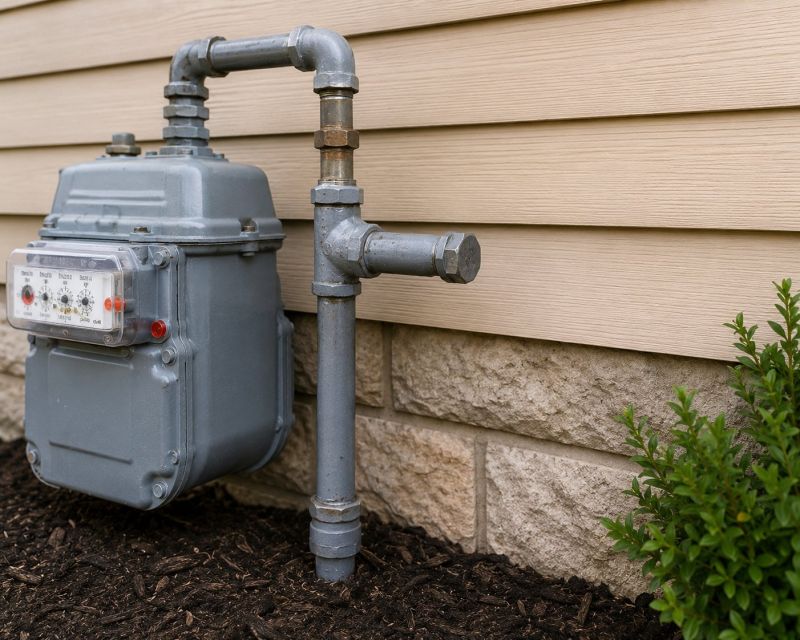
Proper capping ensures safety when gas lines are no longer in use or need to be temporarily shut off.
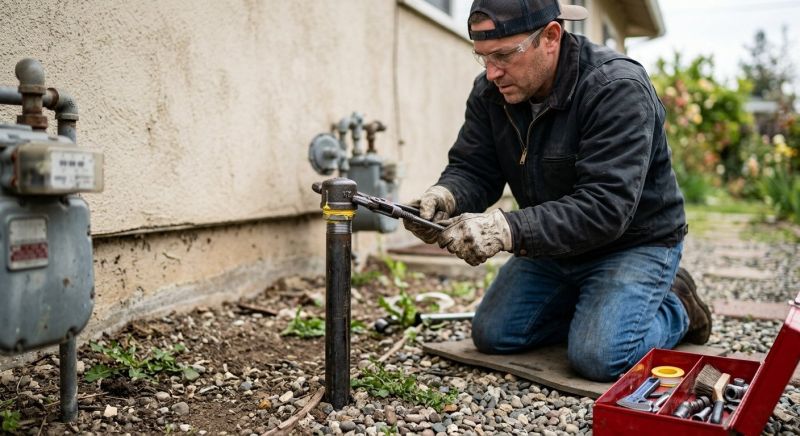
Property Safety And Compliance
Gas line capping helps meet safety standards and prevents leaks or accidental releases in west palm beach homes.
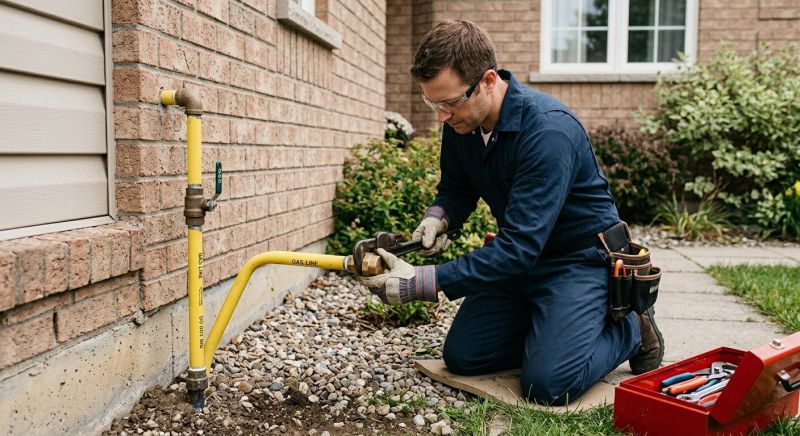
Residential And Commercial Capping
Services include sealing off gas lines for renovations, repairs, or emergency situations across property types.
Gas Line Capping in West Palm Beach, FL
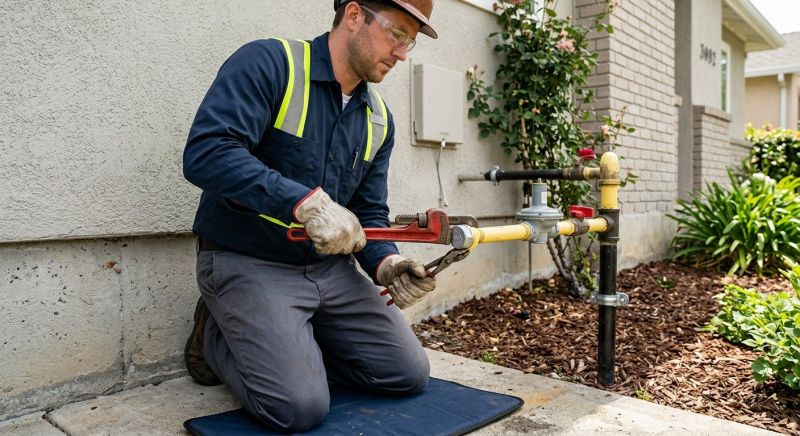
Gas line capping services involve safely sealing off existing natural gas or propane lines, typically when a property no longer requires the service, during renovations, or before new installations. This process ensures the gas supply is securely shut off to prevent leaks or hazards, making it a common step in remodeling projects, property decommissioning, or when removing outdated appliances. Property owners should understand whether the gas line is still in use, the location of the line, and if any permits or inspections are necessary before proceeding with the capping process.
Homeowners and property owners often request gas line capping to eliminate unused lines or to prepare for future upgrades. It’s important to know the exact scope of the project, including the accessibility of the gas line and potential impact on existing systems. Clarifying these details beforehand can help ensure the work complies with local codes and safety standards, providing peace of mind that the gas lines are properly and securely sealed.
Many property owners in West Palm Beach, FL look into Gas Line Capping for repairs, replacements, upgrades, and appearance-related improvements.
Common Gas Line Capping Jobs
Gas Line Capping - Seals off unused gas lines to prevent leaks and ensure safety.
Property Renovations - Prepares gas lines for remodeling or expansion projects.
Emergency Shutoff - Quickly caps damaged or leaking gas lines to reduce hazards.
Line Abandonment - Safely decommissions old or unused gas lines on residential properties.
Utility Upgrades - Facilitates gas system updates by capping outdated or obsolete lines.
Safety Compliance - Ensures gas lines are properly sealed during property inspections or transfers.
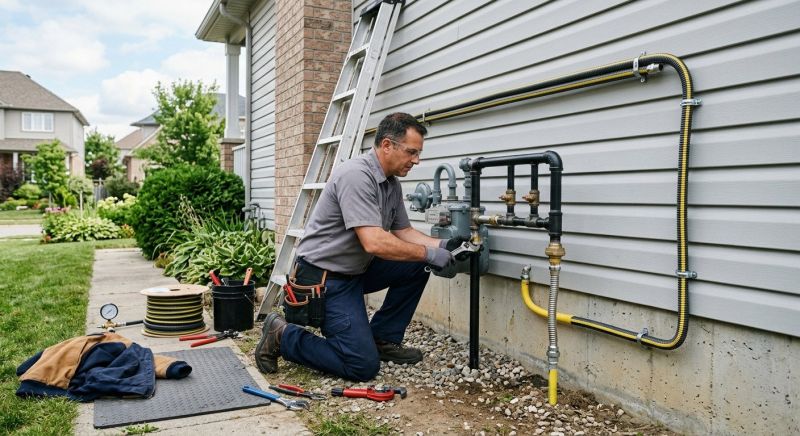
Gas Line Capping Questions
What is gas line capping? Gas line capping involves sealing off an unused or disconnected gas line to prevent leaks and ensure safety.
When is gas line capping needed? It is typically required during property renovations, upgrades, or if a gas line is no longer in use.
Are gas line caps safe for property owners? Yes, properly installed caps help prevent gas leaks and reduce safety risks on the property.
What types of properties may require gas line capping? Residential homes, commercial buildings, and rental properties may all need gas line capping services when necessary.
Request Gas Line Capping in West Palm Beach, FL
Use the quote form on this page to share the basics of your project and request more information for the type of work you need.